2 hr
Kyoto Gion Geisha District Evening Walking Tour
Wander Kyoto's lantern-lit geisha quarters by night and uncover the stories behind Gion and Pontocho.
Reserve
Seven arts under one roof, one Kyoto night.
Hand-picked by our editors — only the best 6 evening experiences from 240 reviewed.
Verified partners for Gion Corner tours, free cancellation where available, and instant confirmation on every booking.
2 hr
Wander Kyoto's lantern-lit geisha quarters by night and uncover the stories behind Gion and Pontocho.
Reserve
2 hr
Wander Gion's cobblestone lanes, spot Geiko and Maiko, and uncover Kyoto's hidden cultural treasures.
Reserve
3 hr 45 min
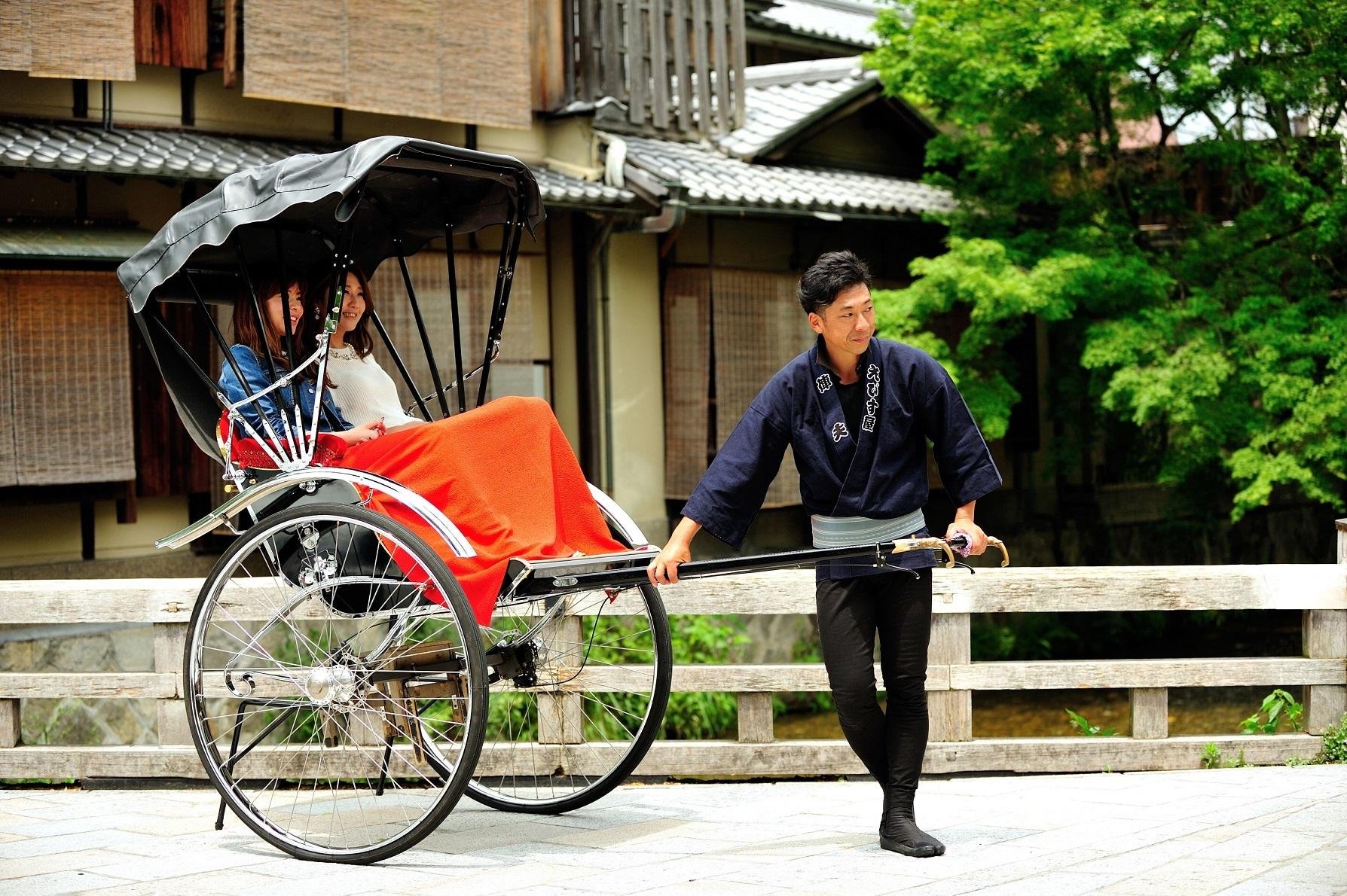
Glide through Kyoto's historic Higashiyama and Gion geisha district by private rickshaw with a local guide.
Reserve
3 hr
Wander Gion after dark with a local guide, sampling Kyoto's flavors across two restaurants.
ReservePrices from verified partners. Availability updates in real time at checkout. Free cancellation policies apply where shown.
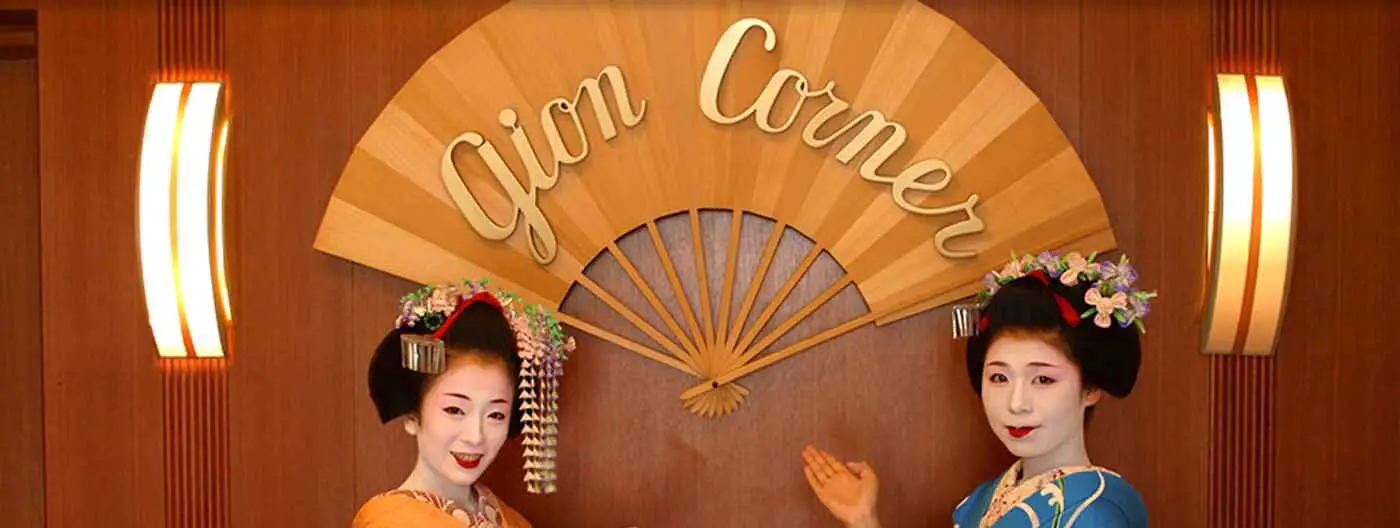
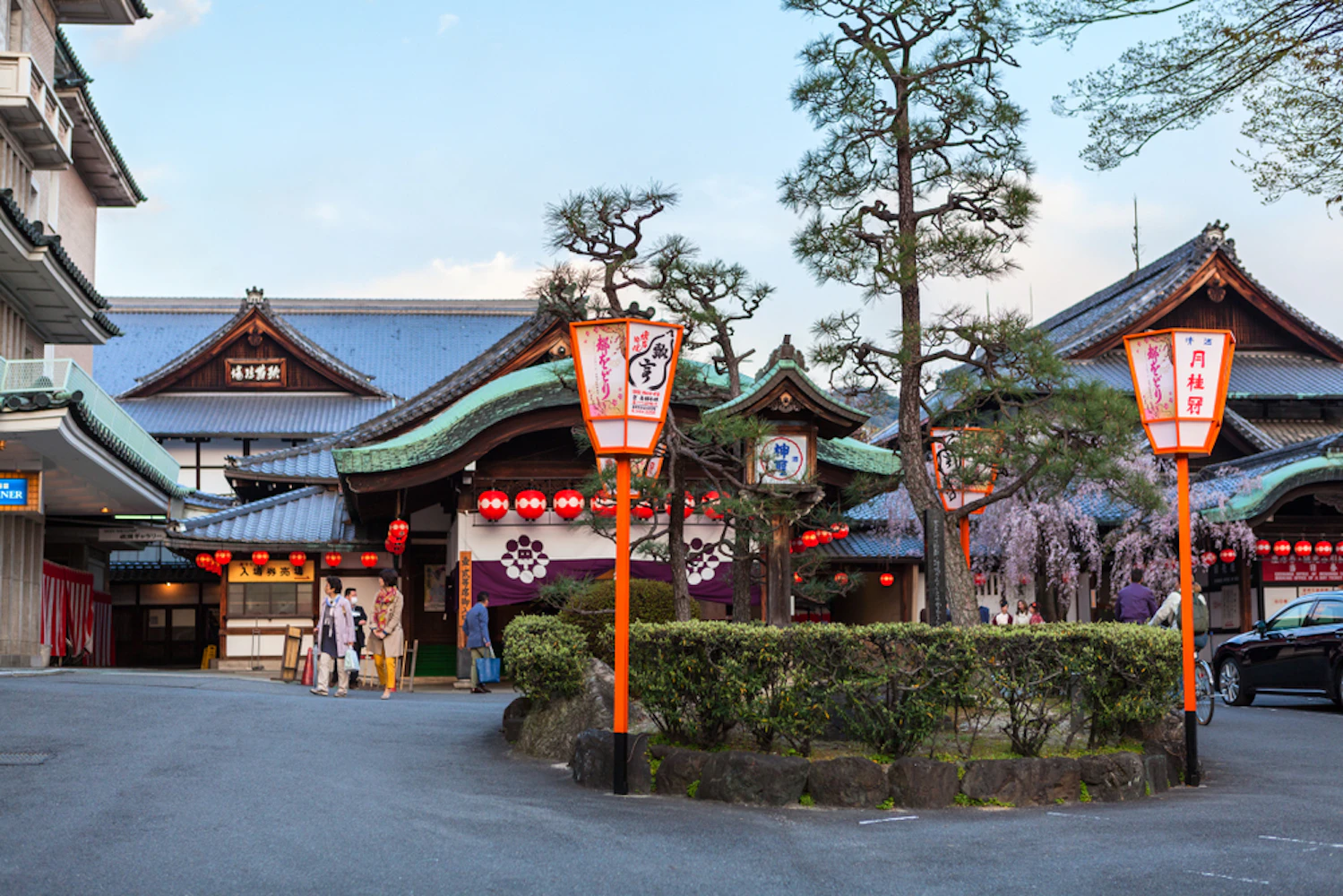
Seven distinct Japanese arts were never meant to share a single stage, yet Gion Corner gathers them nightly inside the Yasaka Hall in Higashiyama-ku.
The venue distills disciplines that once required separate masters and separate venues — kyomai dance, the tea ceremony, koto music, flower arrangement, gagaku court music, kyogen comic theatre, and bunraku puppetry — into one programme.
Why it endures is simpler than its breadth suggests. In a district where geiko and maiko still move between teahouses, this showcase offers visitors an unhurried, structured window into forms that can be hard to access otherwise. Standard gion corner admission at 5,500 JPY covers the full evening; gion corner performance tickets at the premium tier run 6,600 JPY, while youth rates lower the gion corner entry fee considerably. The hall sits steps from Hanamikoji, and gion corner tickets remain among Kyoto's most direct cultural introductions.
"Seven arts that once demanded seven masters now share a single Kyoto stage."
A step-by-step walkthrough of Gion Corner tickets — what you'll see, how long each stage takes, and the details that matter.
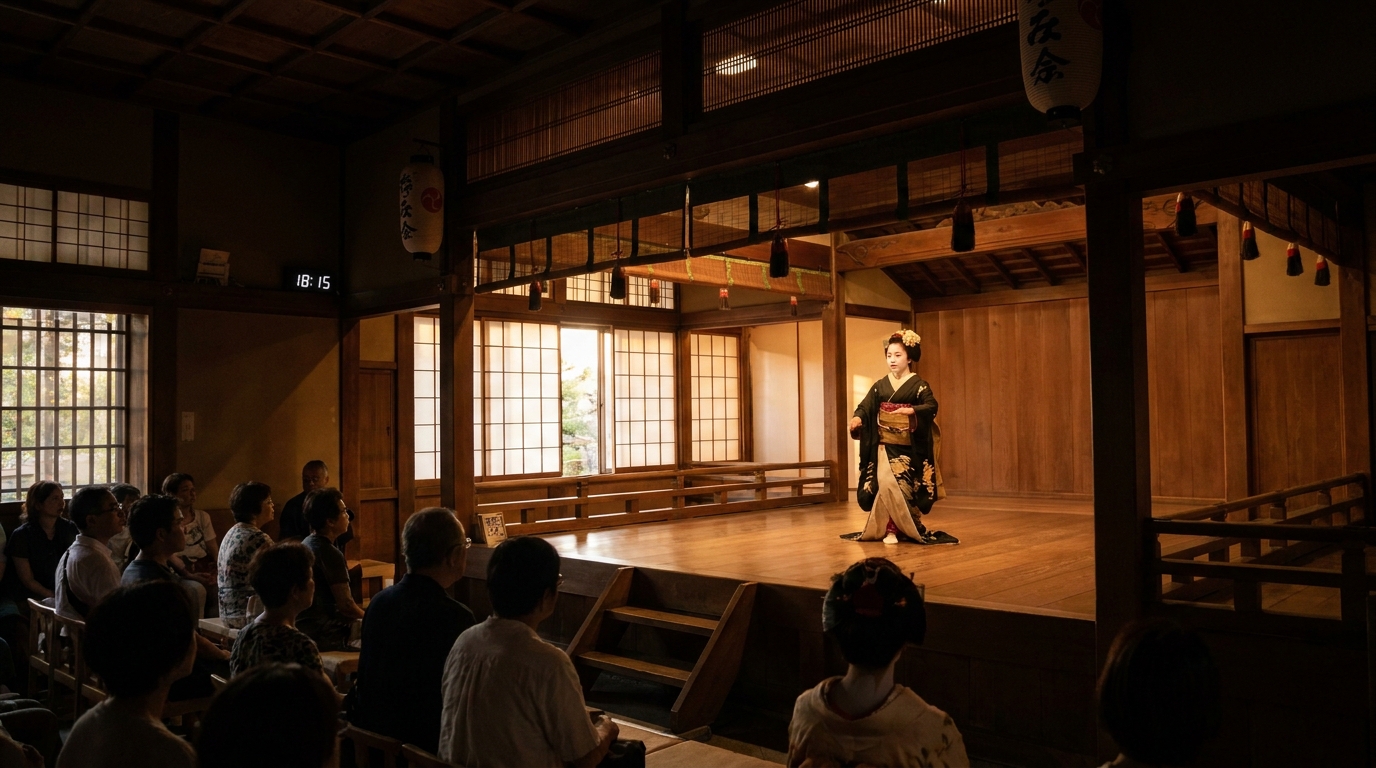
You arrive at 570-2 Gionmachi Minamigawa between 18:00 and 18:30, because the first show fills fast and unreserved seats favour the early. You step into Yasaka Hall, hand over your gion corner show tickets, and settle as the lights dim around 18:00.
Over the next fifty minutes you watch a maiko's kyomai dance, follow the slow geometry of a tea whisk, and hear the koto's thirteen strings answer the bamboo flute. A kyogen sketch draws quiet laughter; bunraku puppeteers work three to a figure. By 18:50 the programme closes, and you walk out into Gion's lantern-lit lanes — Hanamikoji a minute away, the Kamo River a short stroll east. A gion corner tour rarely packs this much into one hour.
The landmarks, rooms, and views travelers on Gion Corner tours remember — all visible on a single visit.
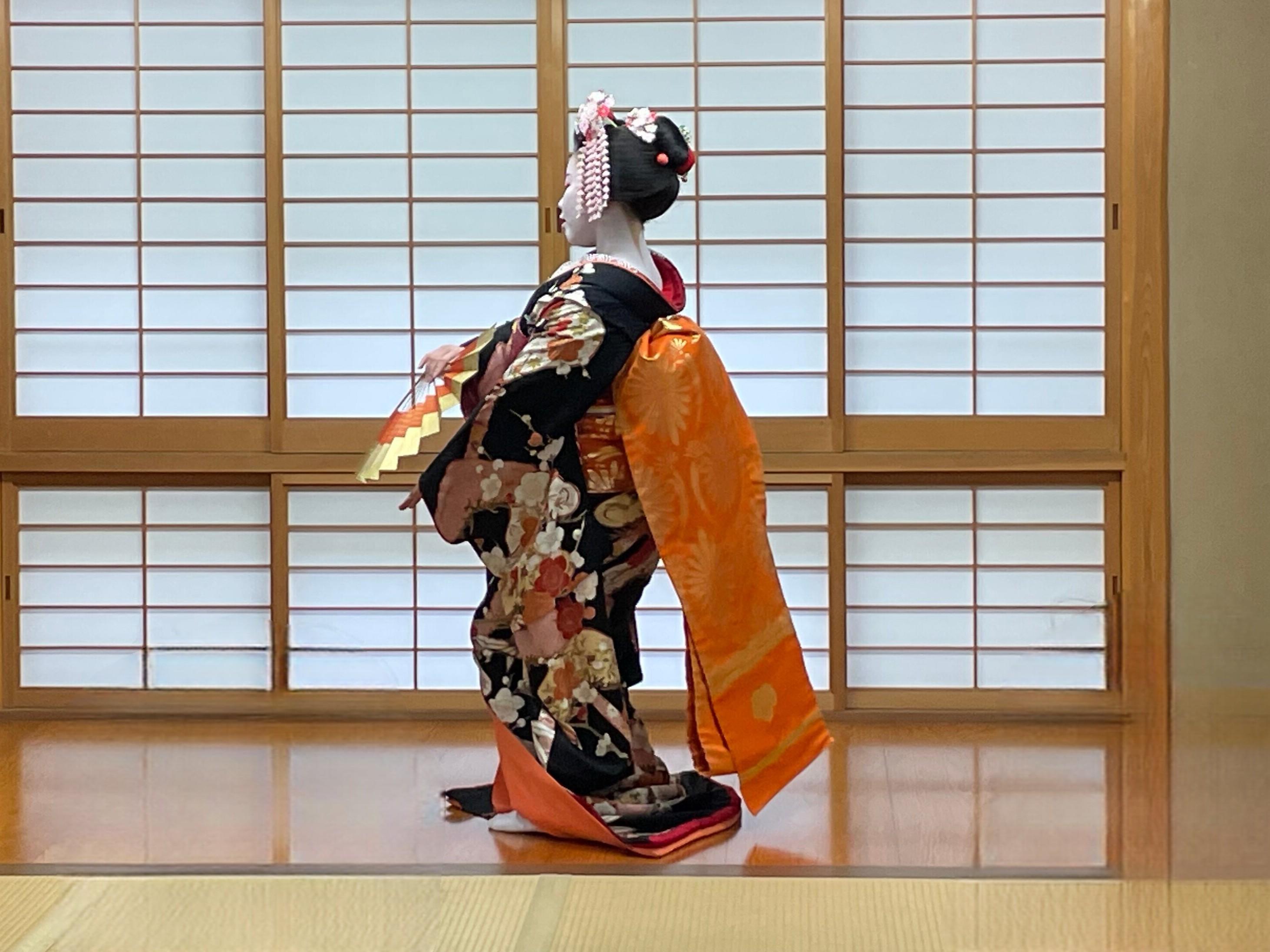
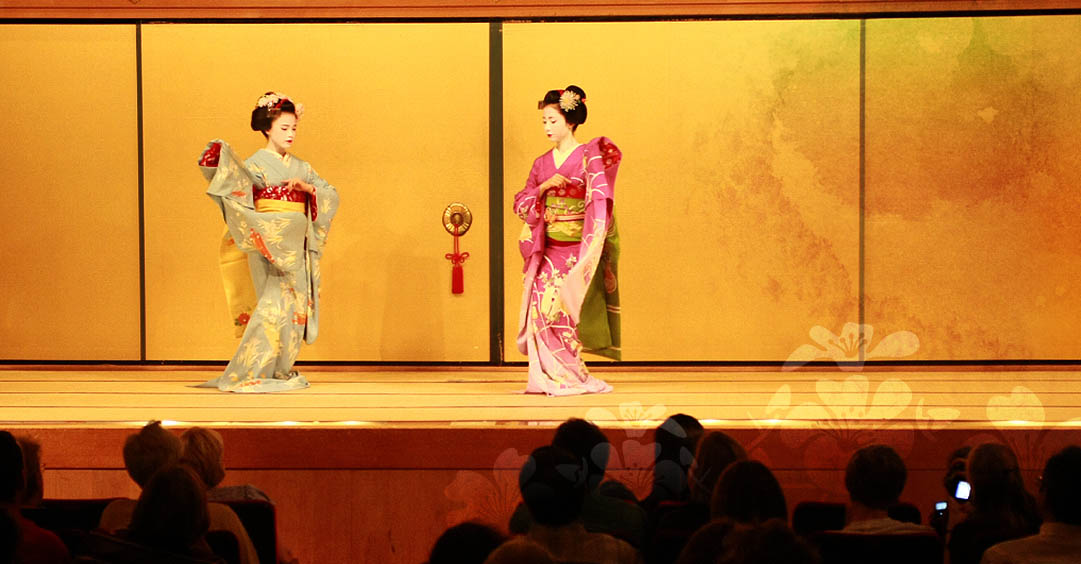
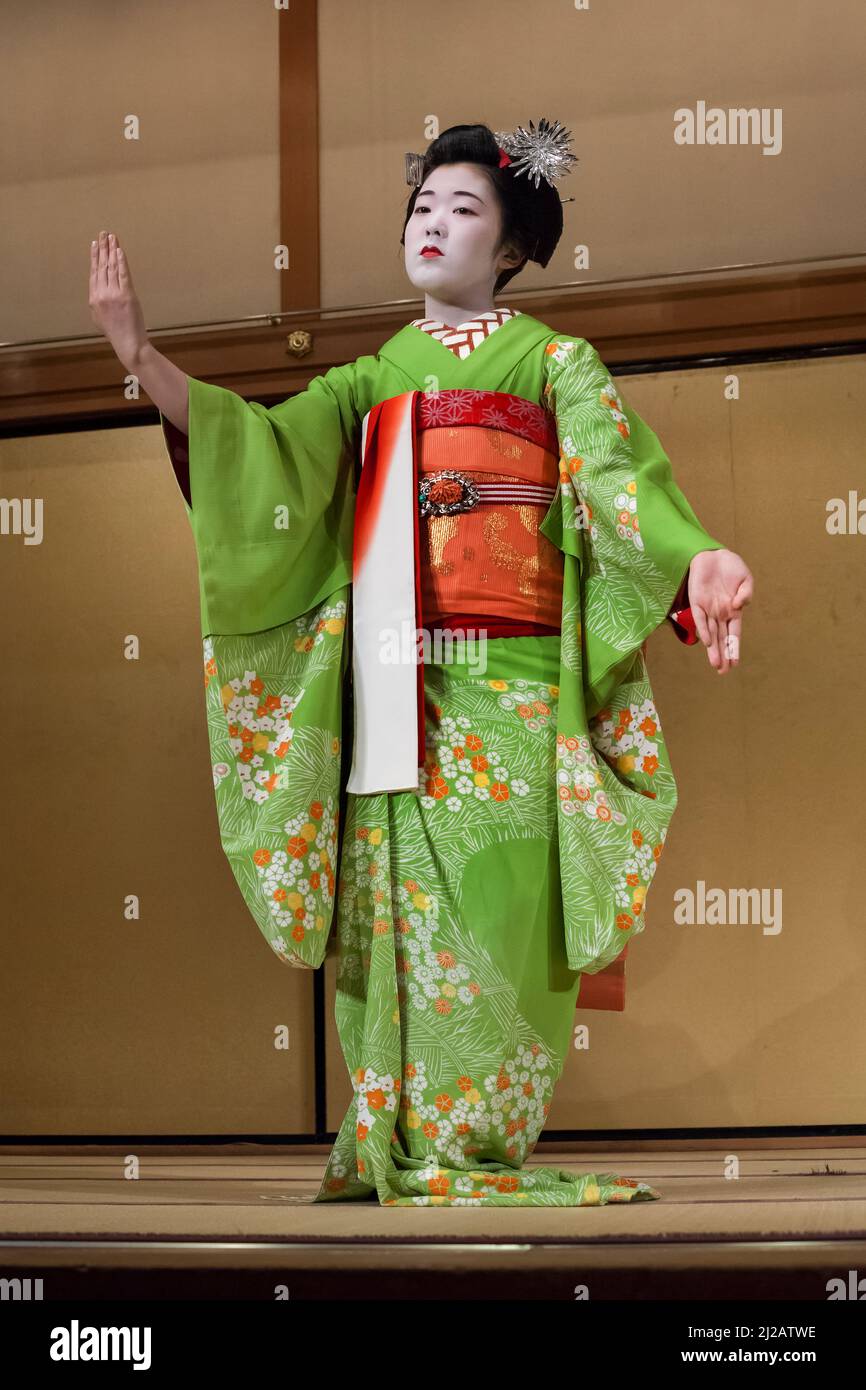
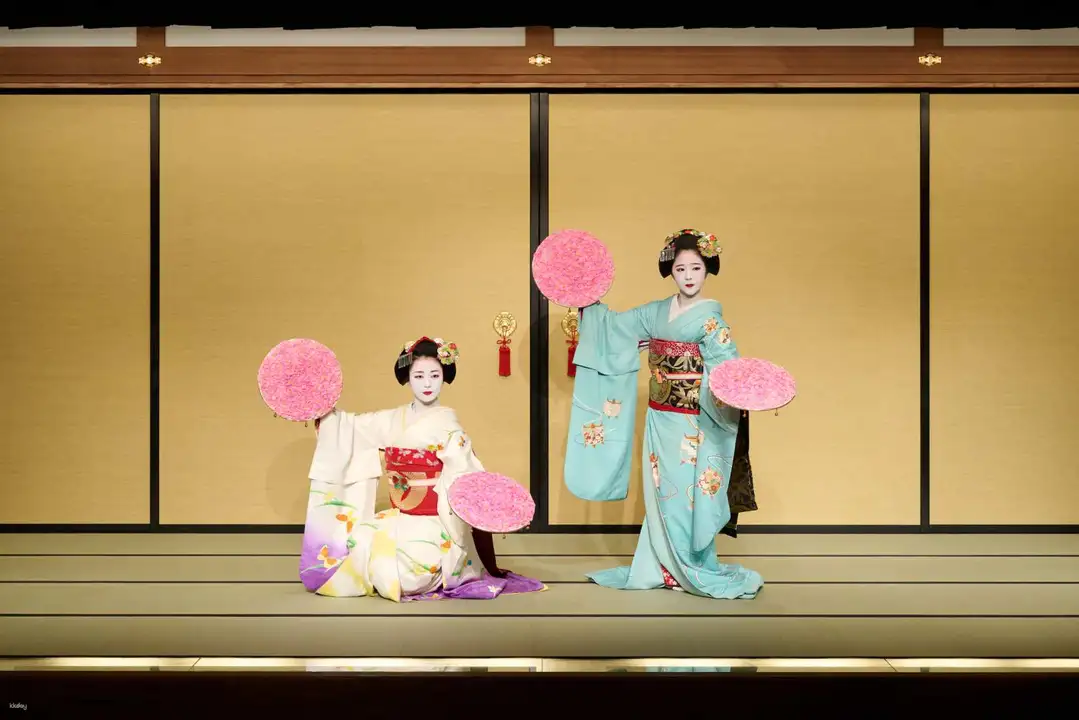
Performed by maiko from Gion Kobu, Kyomai dance traces its origins to the 17th-century teahouse parlors of Kyoto and incorporates two pieces per show — a seasonal selection and the classic Gion Kouta.
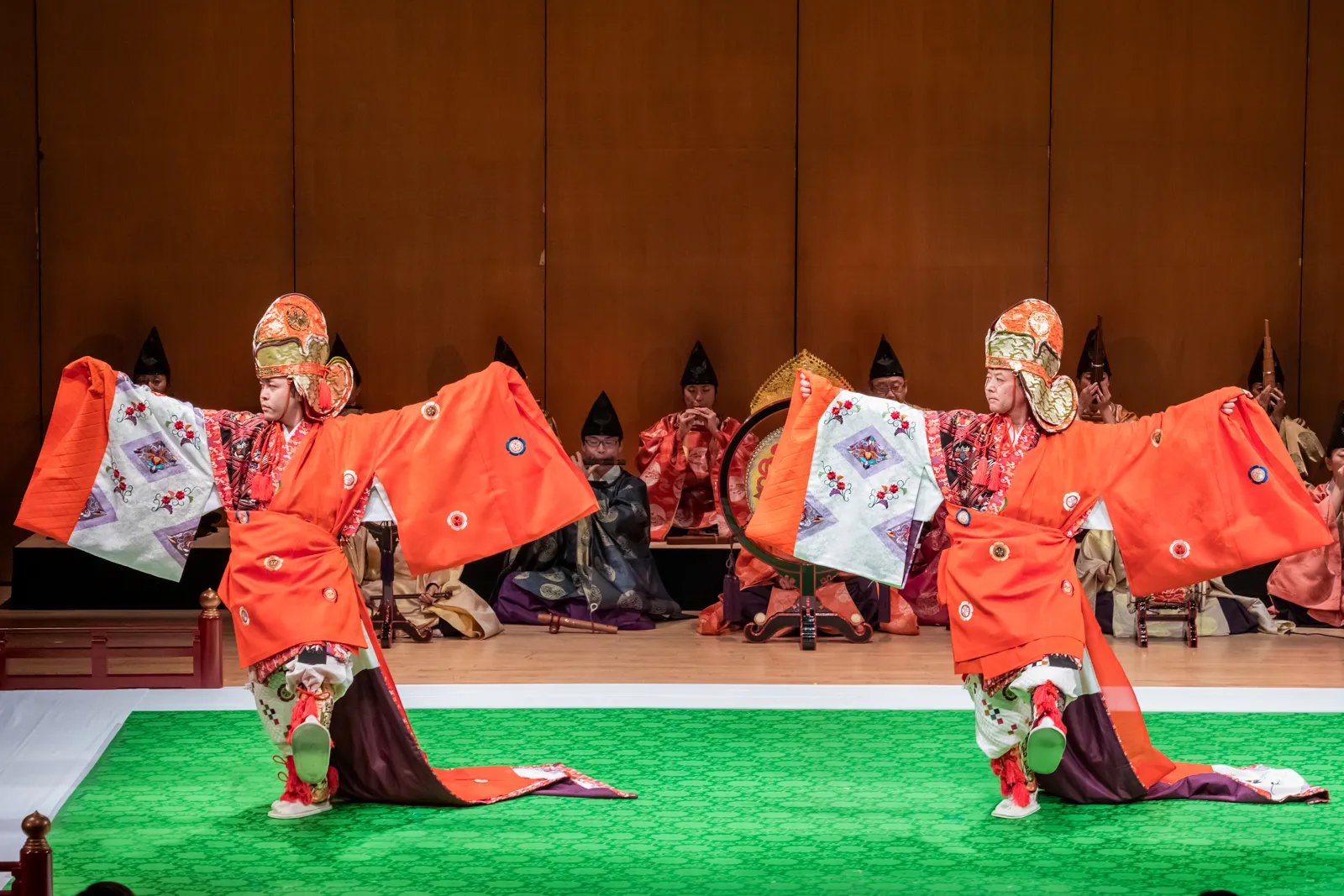
This 1,200-year-old court art is performed at gion corner in an abridged version of Ranryo'o (Prince Lanling), in which a dancer dons a fearsome mask to depict a general who concealed his beauty to inspire fear in enemies.
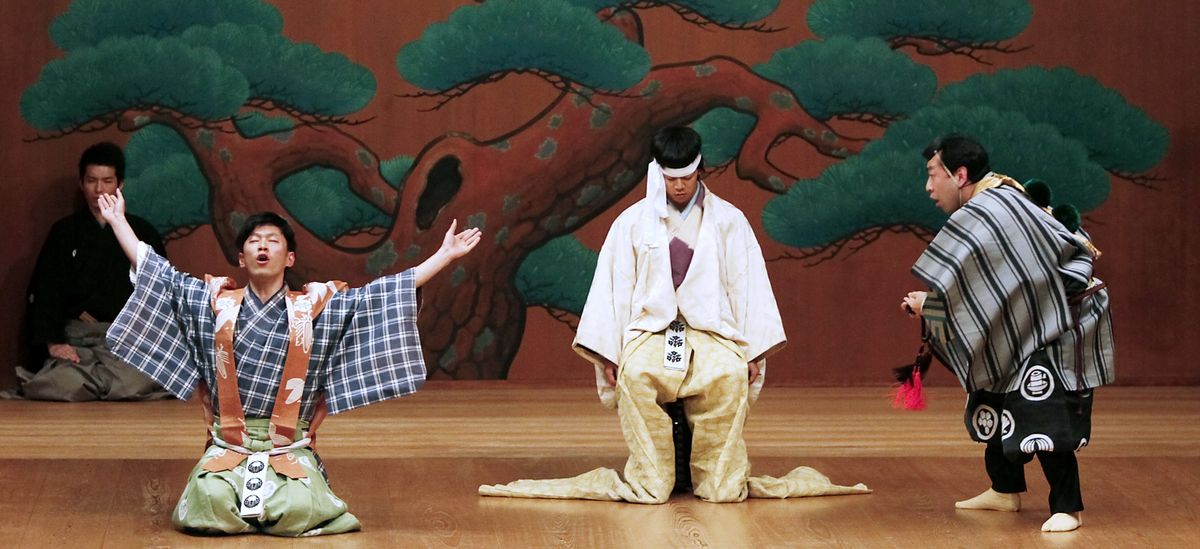
The kyogen ensemble performs Bo Shibari (Tied to a Staff), a Muromachi-period farce in which two servants outwit their lord's precautions and get drunk — one of the most performed kyogen plays in Japan's 600-year canon.
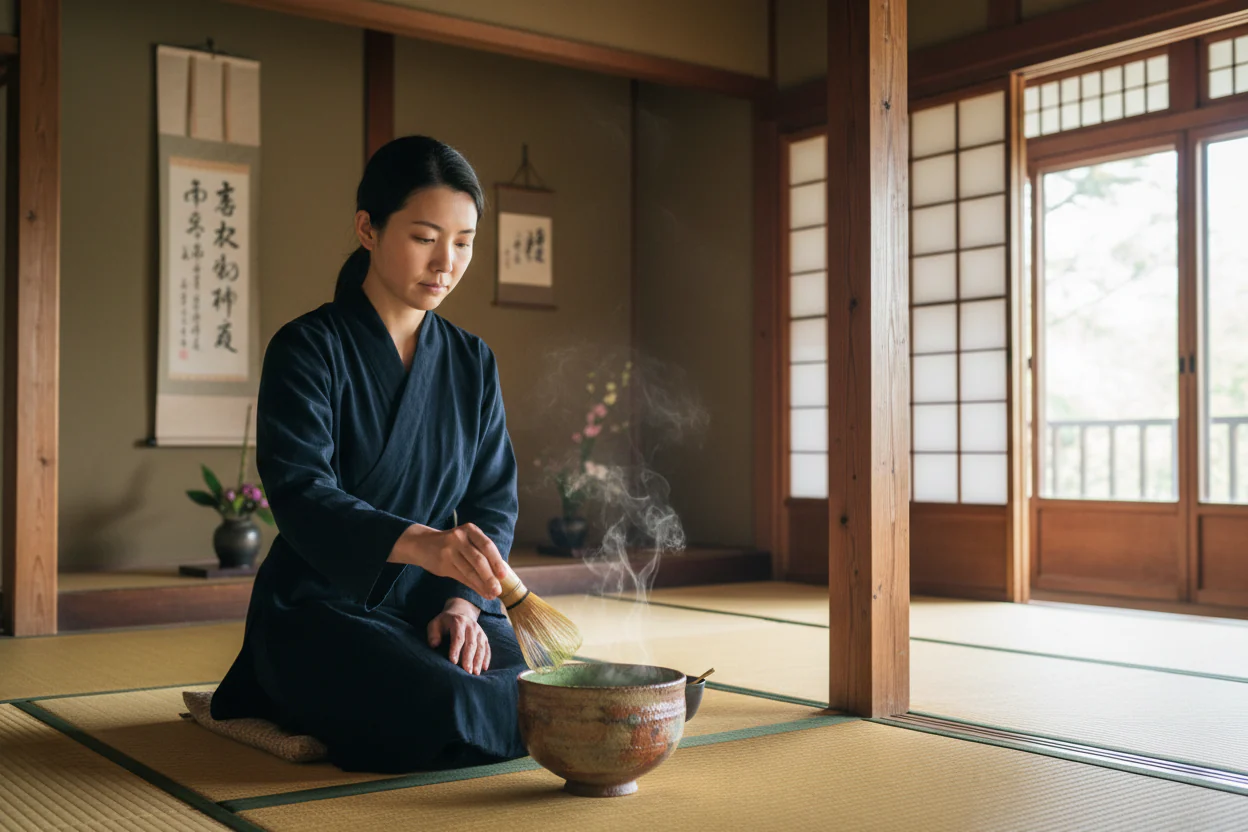
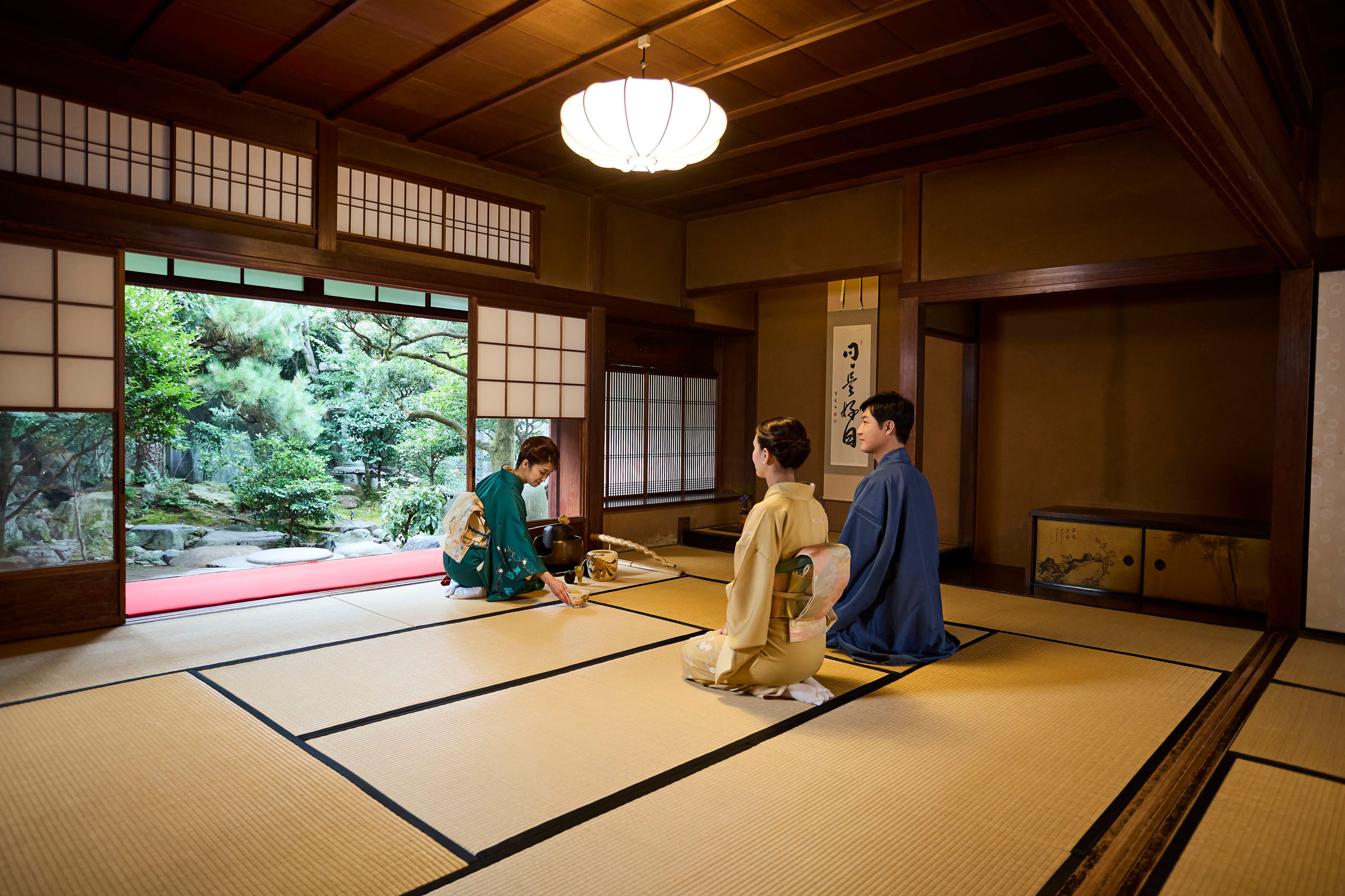
A certified Urasenke school tea master prepares matcha live on stage — the same tradition codified by Sen Rikyu (1522–1591) whose wabi aesthetic and four principles (harmony, respect, purity, tranquility) remain unchanged today.
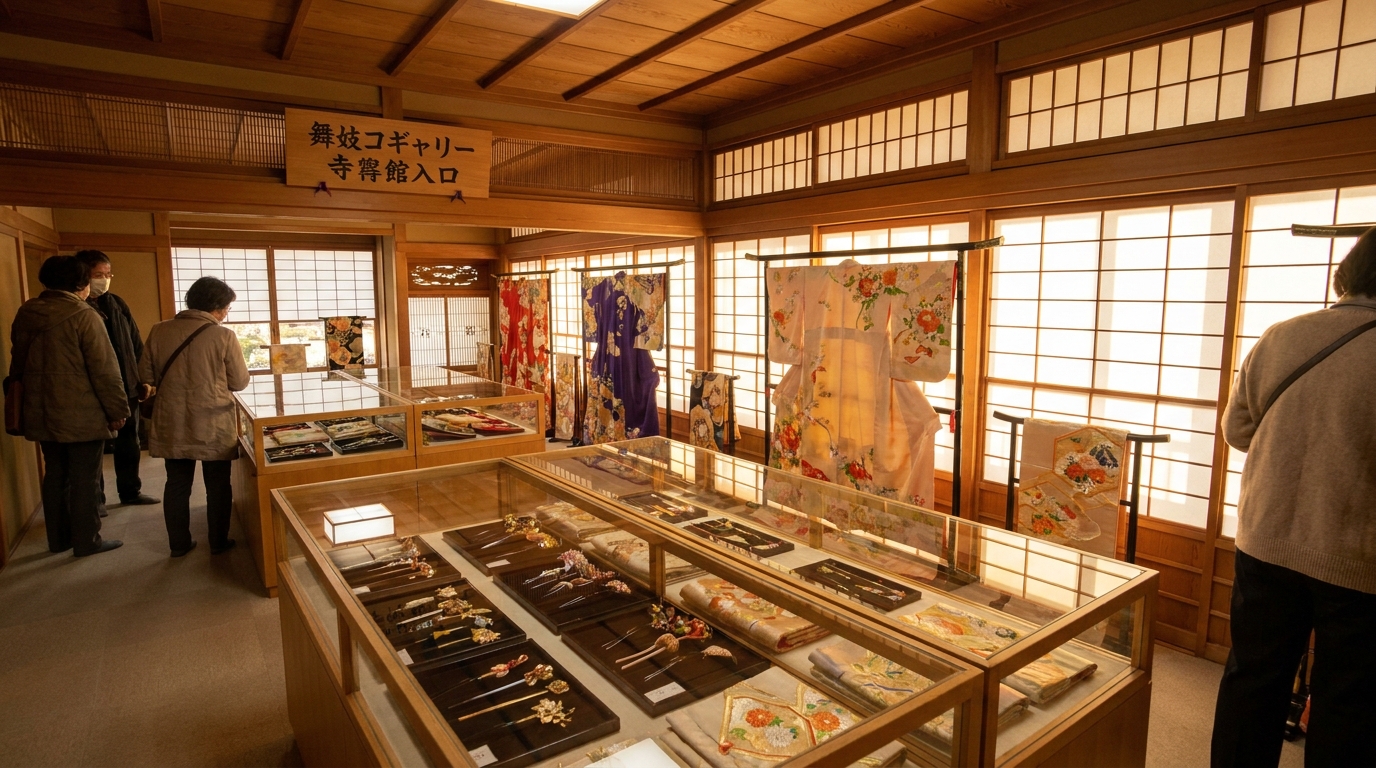
Adjoining the auditorium, the Maiko Gallery displays authentic kanzashi hairpins, embroidered obi sashes, and seasonal kimono from the five kagai districts of Kyoto, providing context for the 165-seat performance next door.
Every Gion Corner tour side-by-side — duration, what's included, how you redeem.
| Experience | From | Duration | Transfers | Pickup | Lunch | Tax inc. | Free cancel. | Price | |
|---|---|---|---|---|---|---|---|---|---|
|
Skip-the-line Most popular
Kyoto Gion Geisha District Evening Walking Tour
|
— | 2 hr | — | — | — | — | ✓ | €22 | Book → |
|
Guided Experience
Kyoto Geisha Walking Tour: Gion District & Hidden Gems
|
— | 2 hr | — | — | — | — | ✓ | €22 | Book → |
|
Standard Entry
Kyoto Private Rickshaw Tour: Gion & Higashiyama
|
— | 3 hr 45 min | — | — | — | — | ✓ | €43 | Book → |
|
Premium Combo
Kyoto by Night: Gion Food & Streets Walking Tour
|
— | 3 hr | — | — | — | — | ✓ | €78 | Book → |
All prices from verified partners. Availability and exact terms confirmed at checkout.
Choose your ticket, select your date, and reserve in under two minutes. Secure checkout handled by our verified partner.
Instant confirmation by email, with a mobile voucher you can save offline. No printing, no queuing at a collection desk.
Arrive at the entrance, show your voucher on your phone, and walk in. Most tickets include priority or skip-the-line access.
Practical details for Gion Corner tickets straight from our verified partners — hours, access, rules, and how to get there.
570-2 Gionmachi Minamigawa, Higashiyama-ku, Kyoto
The red lantern above the entrance is visible from Hanamikoji-dori; meet beneath it.
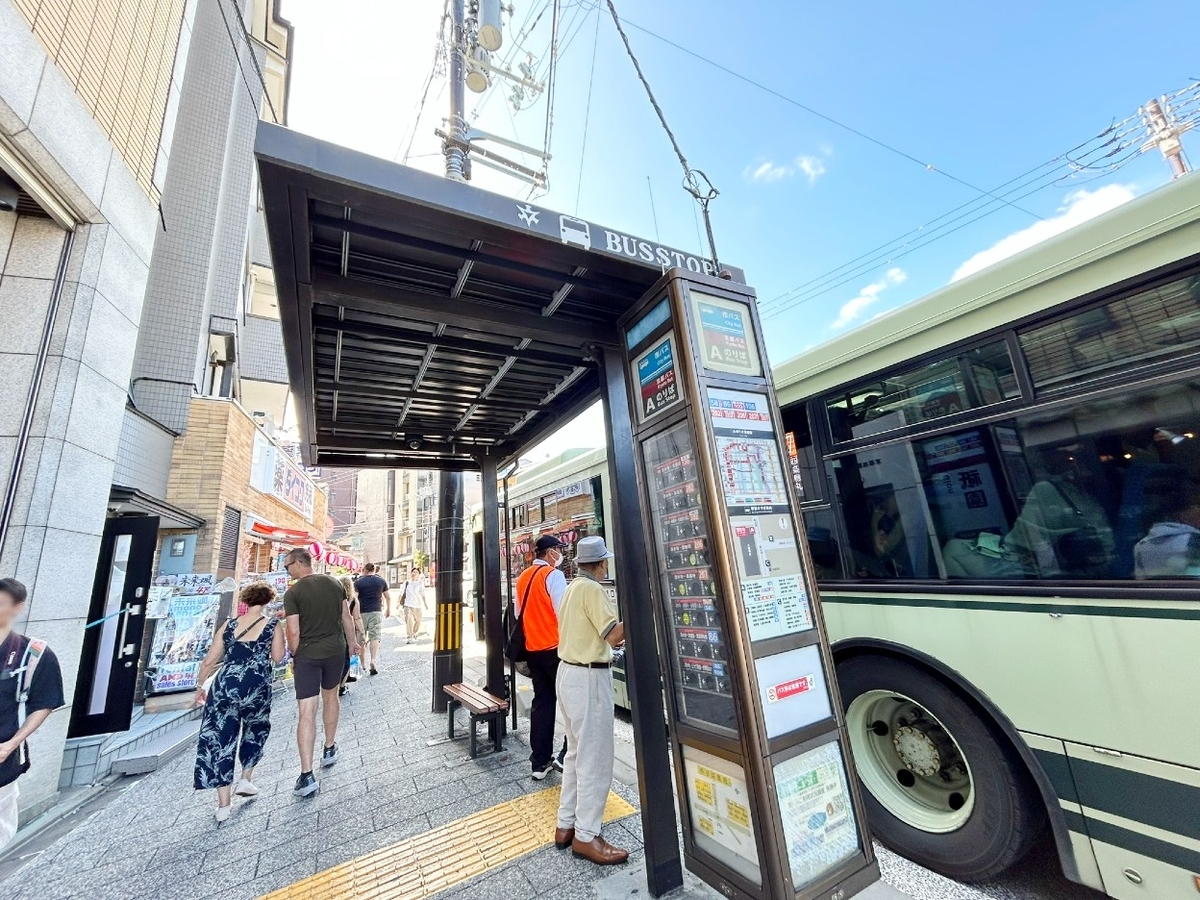
Open in Google MapsCity Bus 206 from JR Kyoto Station to Gion stop, then 5-min walk; or Keihan Line to Gion Shijo Station, 5-min walk
Hankyu Line to Kyoto-Kawaramachi Station, then 10-min walk east along Shijo-dori
Taxis available outside Gion Shijo or Kawaramachi stations; direct drop-off in front of the theater
From Yasaka Shrine the theater is a 3-min walk west along Hanamikoji-dori
There is no strict dress code at gion corner, and smart-casual attire is perfectly acceptable. Many visitors enjoy wearing a yukata or kimono for an atmospheric evening in the Gion district, though it is entirely optional. Covered footwear is advisable, as the surrounding Hanamikoji street is cobbled.
Large luggage and oversized bags are not permitted inside the theater; coin lockers at nearby Gion Shijo Station are a practical option. Small bags, handbags, and day packs can be kept at your seat. There is no formal security screening, but staff may ask you to store protruding items that obstruct neighboring seats.
Photography of the stage is permitted without flash during performances; flash photography is strictly prohibited as it disrupts the artists and may damage delicate costumes. Video recording for personal use is generally allowed but should be done discreetly. Commercial photography and filming require prior written permission from the theater management.
The Gion Kobu Kaburenjo Small Theatre has step-free entrances at ground level, and wheelchair spaces can be arranged by contacting the box office in advance at +81-75-561-1119. The surrounding Hanamikoji street has uneven cobblestones, so those with mobility aids should approach via the main road. Accessible restroom facilities are available inside the venue.
Mobile phones must be silenced before entering the auditorium; even vibration mode can be disruptive during quiet passages such as koto music and chanoyu demonstration. Screens should be kept dim during the performance. Brief use in the lobby between shows is perfectly acceptable.
Gion corner is suitable for children aged 7 and above, with tickets priced at ¥3,300 for ages 7–15 and ¥3,850 for ages 16–22; children under 7 enter free but must share an adult's seat unless a paid ticket is purchased. The approximately 50-minute show duration makes it manageable for younger audiences. The visual variety — from bunraku puppetry to maiko dance — holds children's attention throughout.
No food or outside beverages are permitted inside the theater auditorium. A seat with Japanese tea and sweets upgrade (¥6,050) is available at the time of booking and is served in the lobby area. The surrounding Gion district offers an excellent range of restaurants and teahouses for a meal before or after the performance.
Assistance dogs and certified guide dogs are permitted in the theater in accordance with Japanese law. All other pets are not allowed inside the building. Pet-friendly outdoor areas exist in nearby Maruyama Park, where animals can wait with a companion while you attend the show.
The premium seat tier (¥6,600) includes a digital tablet with multilingual commentary and translations for all seven art forms performed on stage — a worthwhile addition for first-time visitors to Japanese traditional arts. The 165-seat theater fills quickly on weekends; arriving at opening (18:00) secures the best unreserved positions for the first show. Winter performances (Tuesday–Friday, December 1–March 11, excluding public holidays) feature a maiko photo opportunity after the show.

570-2 Gionmachi Minamigawa, Higashiyama-ku, Kyoto
The red lantern above the entrance is visible from Hanamikoji-dori; meet beneath it.
Get directions
Higashiyama-ku, Gion stop, Kyoto
City Bus routes 206 and 100 stop here; 5-min walk to the theater along Shijo-dori.
Get directionsBest time to go, insider tips, nearby landmarks, and the cancellation fine print — flip through to skim what matters to you.
How crowds, weather, and events shift across the year.
Cherry blossoms in nearby Maruyama Park make April the most popular month; book gion corner tickets well in advance.
Warm evenings suit the outdoor stroll beforehand; the Gion Matsuri festival in July transforms the entire district but July 16 is a closure day.
Autumn foliage peaks in November, drawing large crowds to the district; the Kyoto traditional arts scene is at its richest.
Fewer tourists mean easier seating; winter performances include a maiko photo session after the show on Tuesday–Friday.
Small details that turn a good visit into a great one.
Gion corner opens its doors at 18:00 and the 165-seat theater fills on weekends; arriving at opening secures the best unreserved positions. Reserve online in advance through the official site to guarantee entry.
The 30 premium seats (¥6,600) come with a digital tablet offering real-time multilingual commentary — essential context for fully appreciating bugaku and kyogen without prior knowledge.
The best window for spotting maiko heading to evening appointments is 17:30–18:30 on Hanamikoji-dori; this coincides neatly with arrival for the first gion corner show.
Tuesday through Friday from December 1 to March 11 (excluding public holidays), a maiko photo opportunity is offered after the show — a rare, structured chance not available in the regular season.
Both dates are annual closure days at gion corner, coinciding with the aftermath of key Gion Matsuri events; check the calendar before booking travel around mid-July or mid-August.
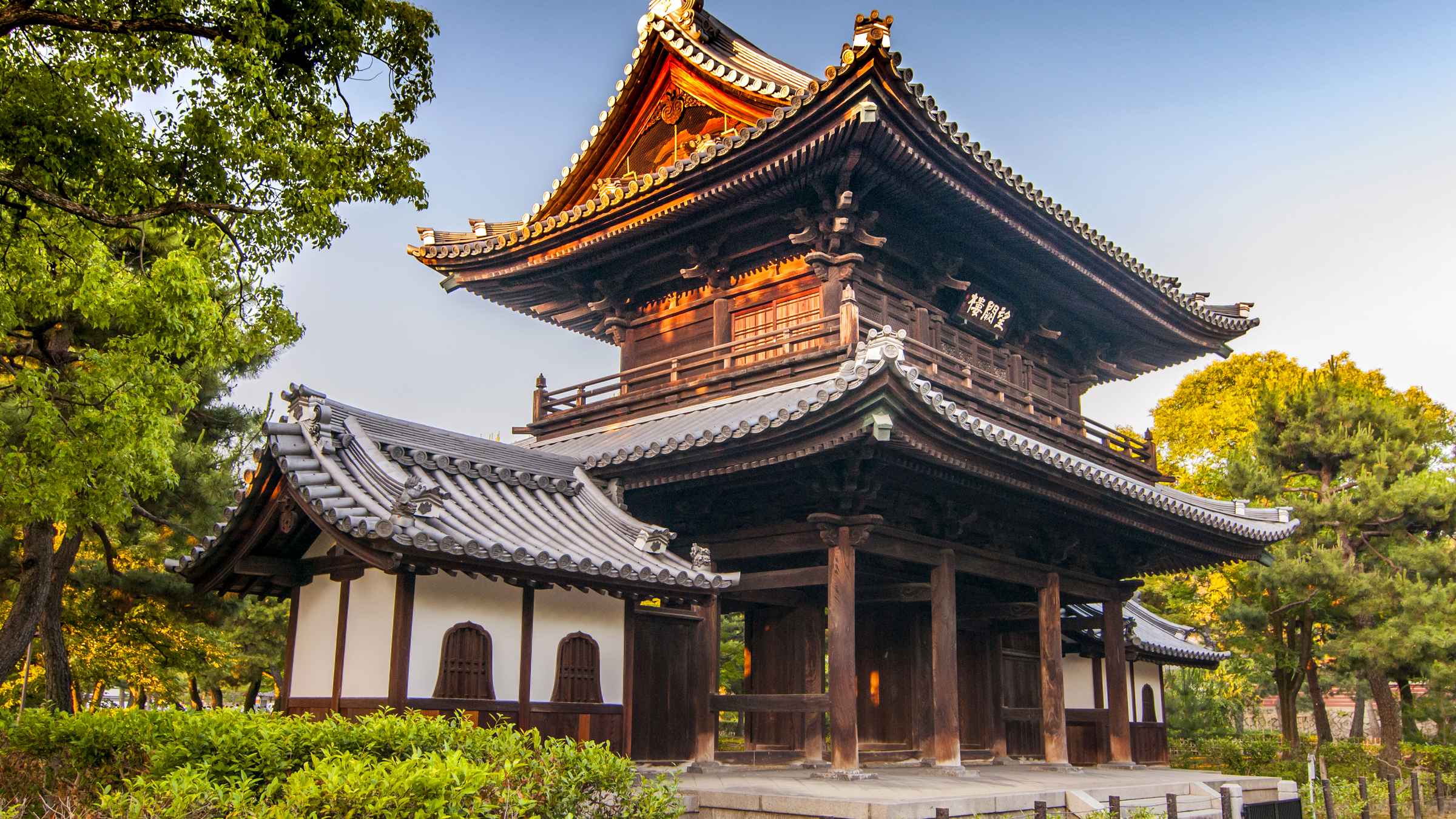
Kennin-ji Temple (7-min walk) keeps evening hours during select seasons — pairing the temple's Zen garden and dragon ceiling with a gion corner tour gives a layered view of Kyoto heritage without a taxi.
Non-bookable sights within a short walk — free to visit, easy to pair.
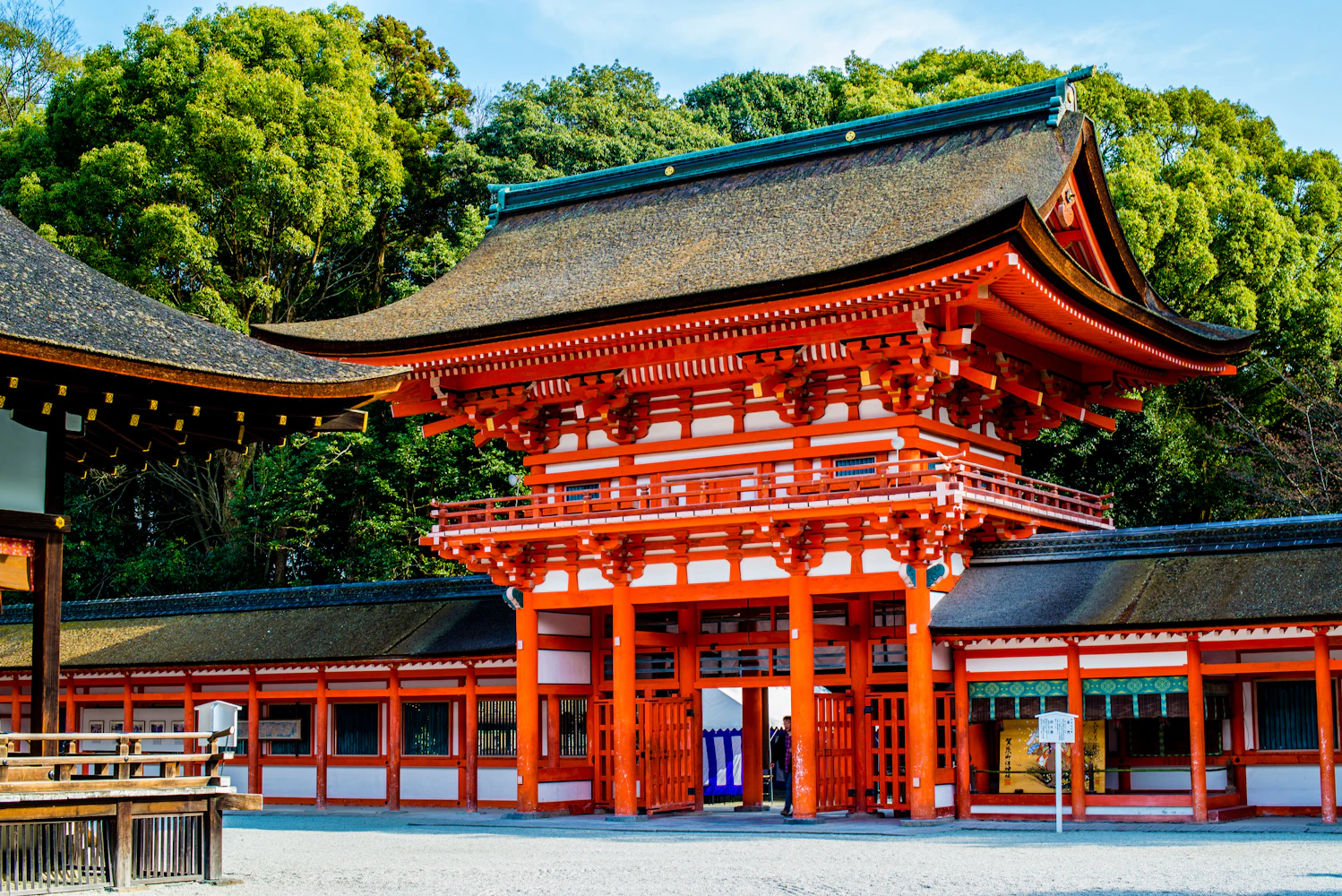
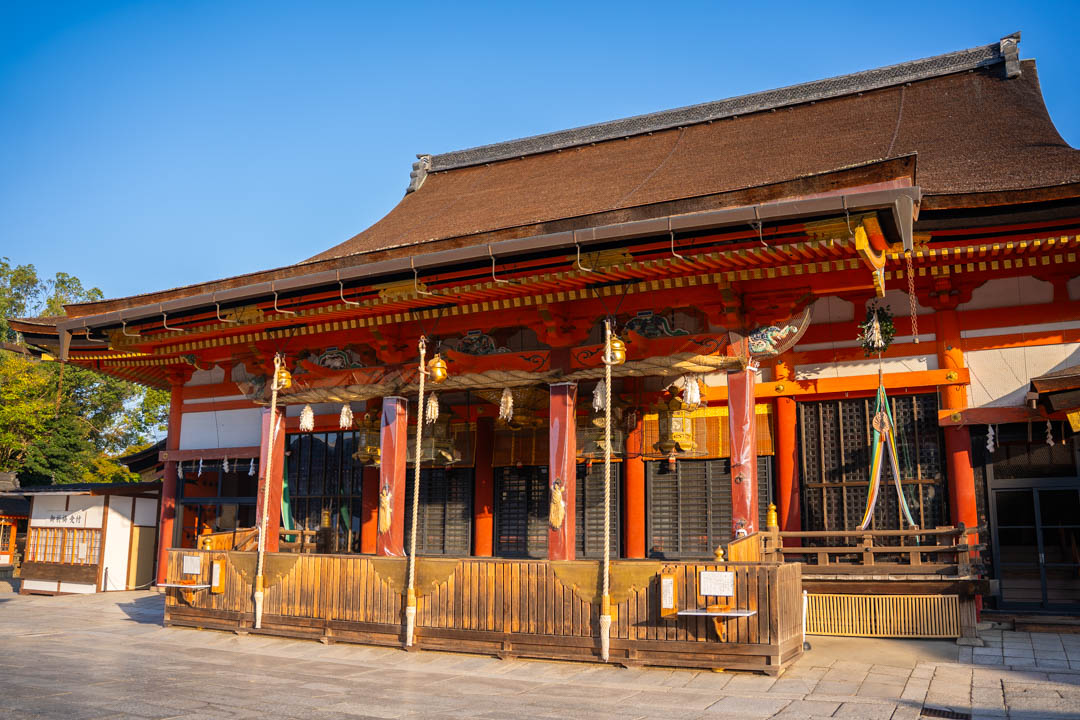
The 7th-century shrine anchors the eastern end of Shijo-dori and hosts the Gion Matsuri lantern ceremonies each July.
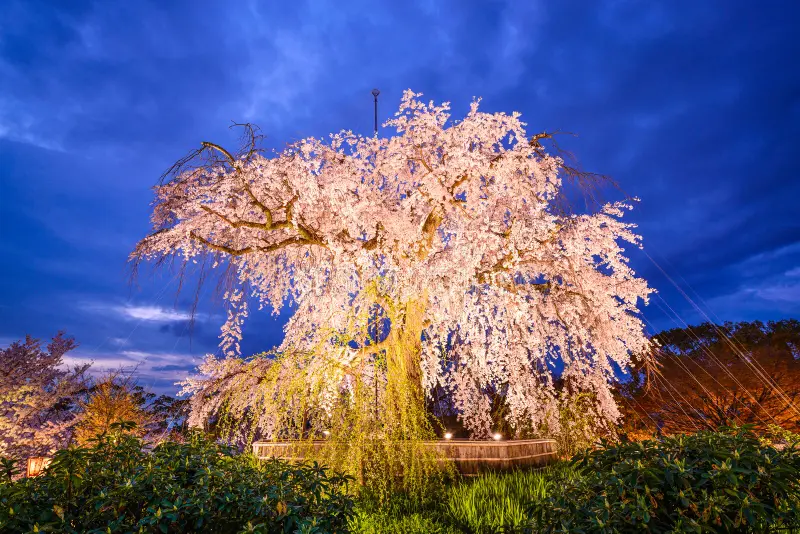
Kyoto's most central public park, famous for its weeping cherry tree illuminated at night during spring festivals.
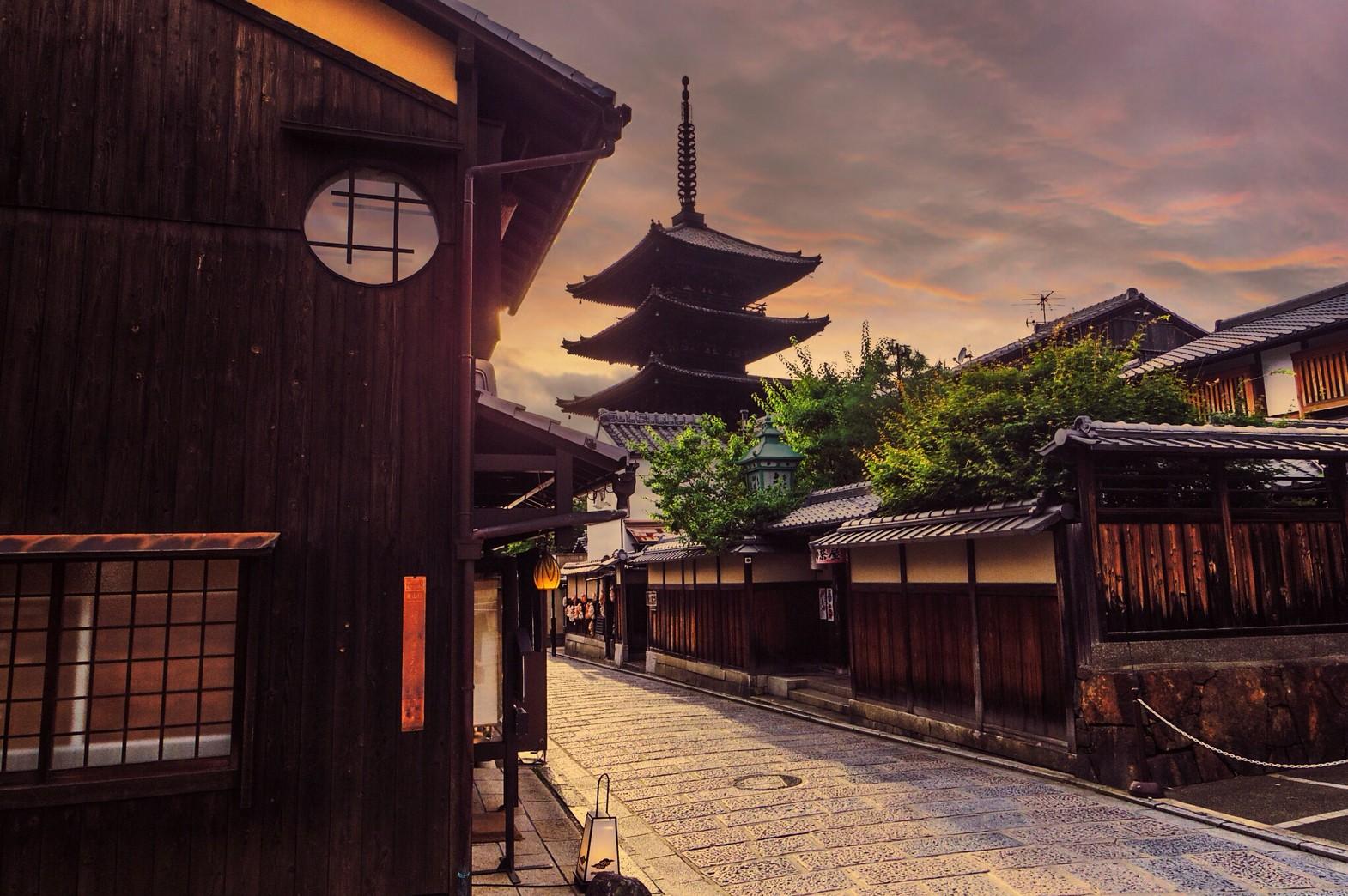
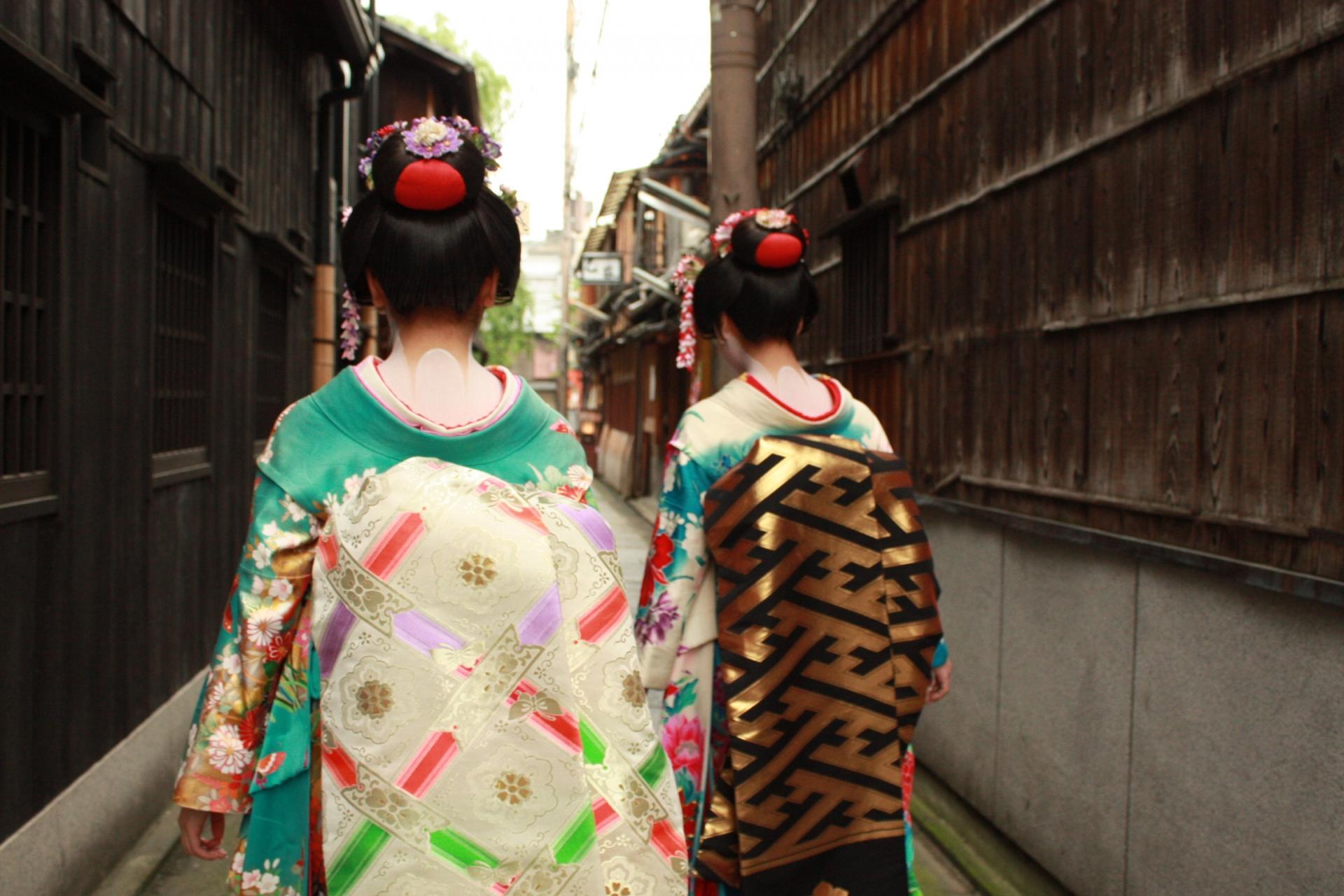
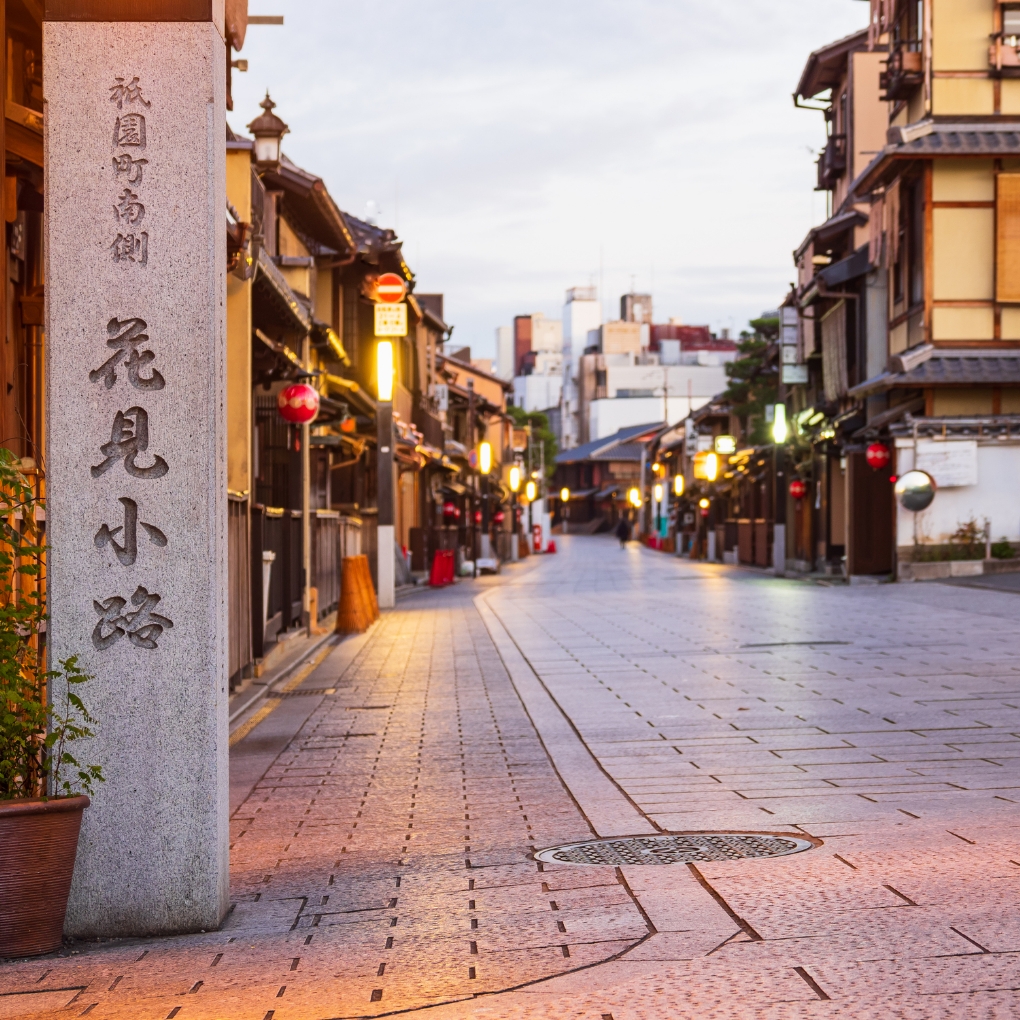
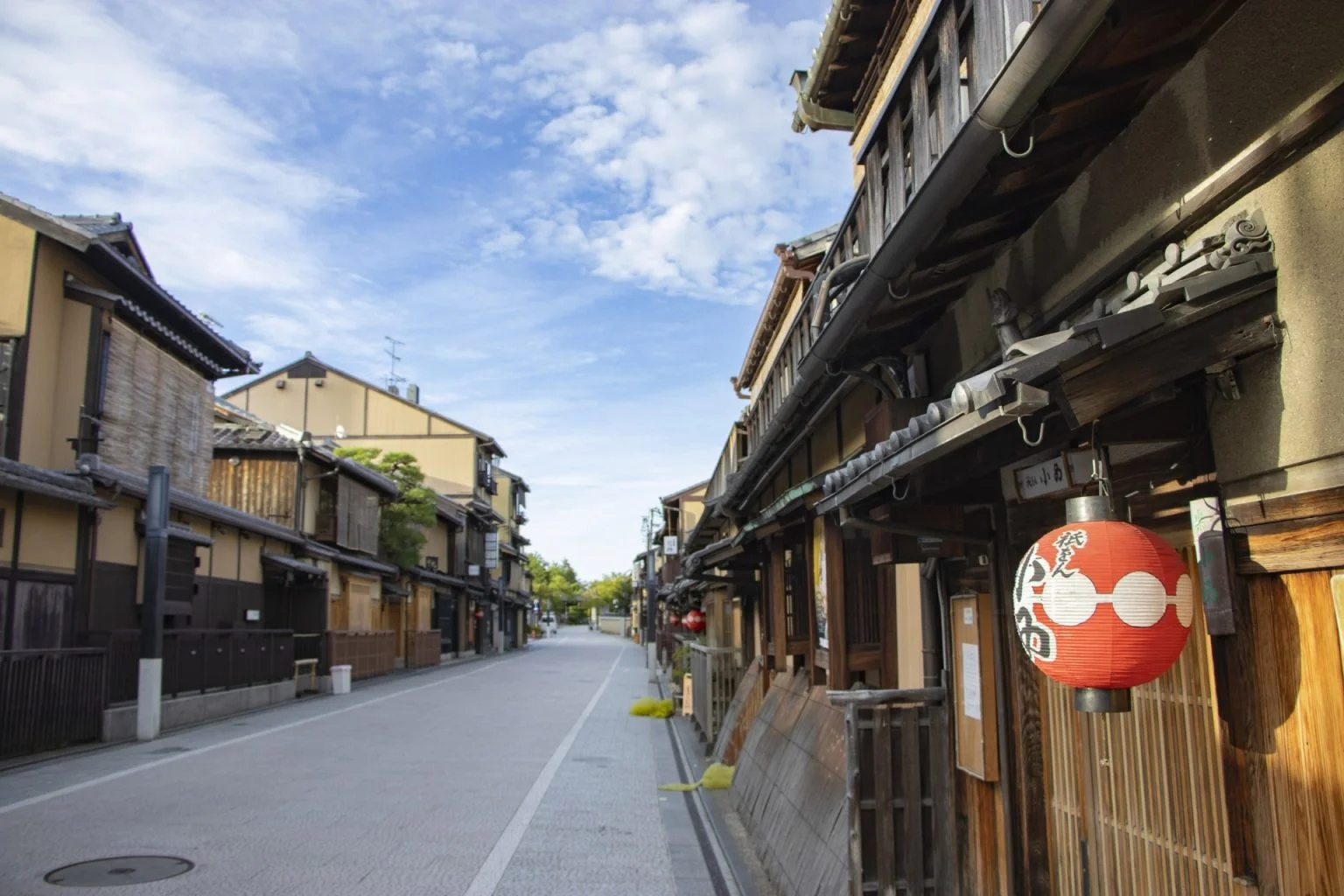
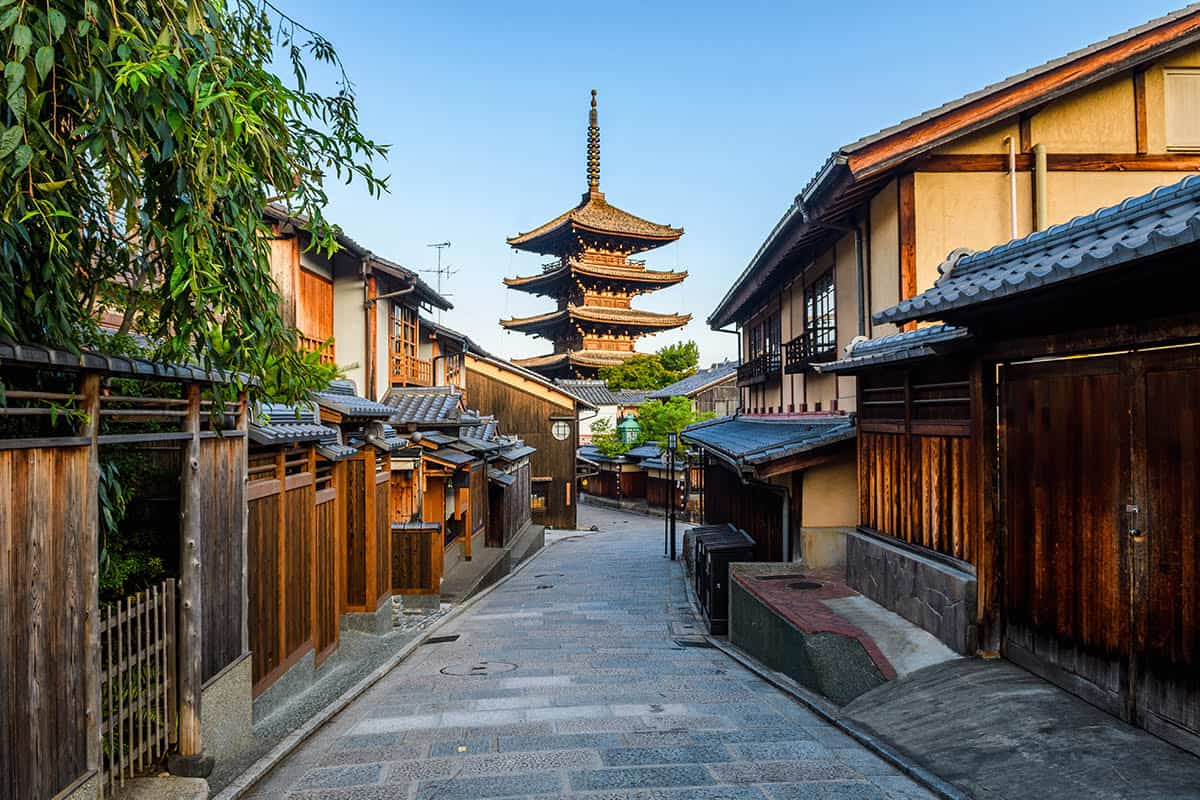
The most photographed street in the Gion district, lined with ochaya teahouses where geiko and maiko entertain guests.
Founded in 1202 as Kyoto's oldest Zen temple, it houses a dramatic twin-dragon ceiling painting by Koizumi Junsaku.
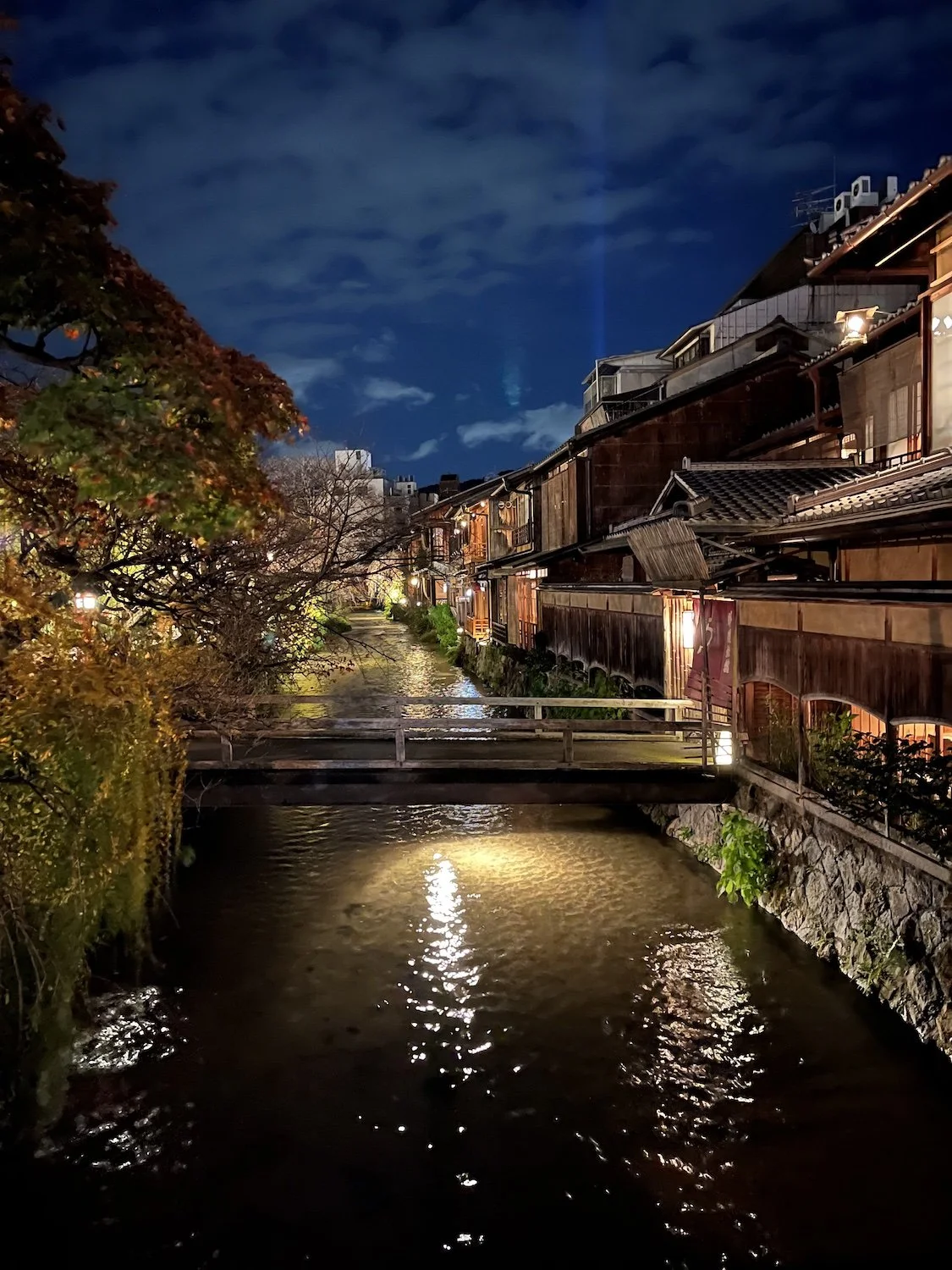
A narrow waterway flanked by weeping willows and old machiya townhouses, regarded as one of Kyoto's most scenic after-dark walks.
Flexible, no hidden fees.
Tickets purchased through the official Gion Corner website follow a no-refund policy once booked — the 5,500 JPY standard adult fare and all other ticket tiers are non-refundable after purchase. Third-party platforms may offer free cancellation up to 24 hours before the performance; check the specific booking platform's terms at the time of purchase.
Hand-picked options within walking distance — pick a district for vibe, or a specific hotel for convenience.
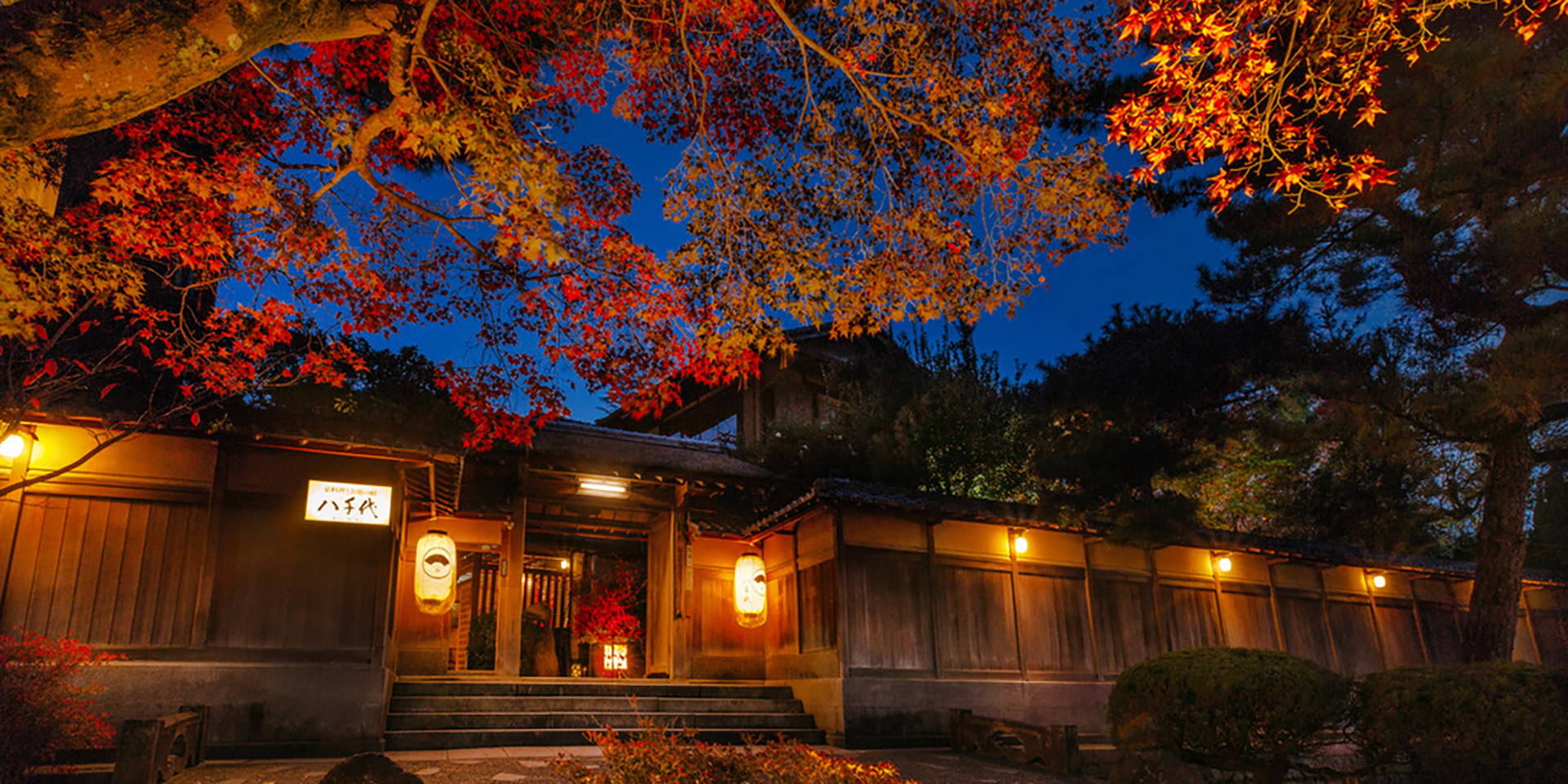
An intimate 10-room inn where owners arrange private maiko dinner performances; considered one of Kyoto's most storied ryokan.
Traditional inn beside the Nanzen-ji approach with a celebrated kaiseki restaurant and a private Japanese garden.
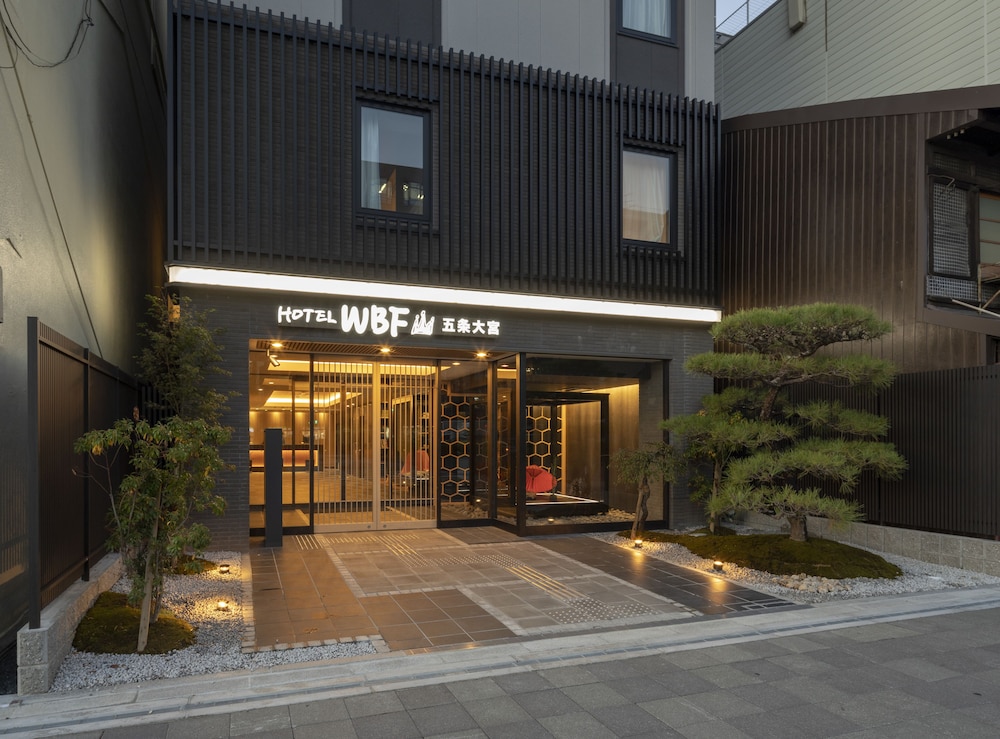
Modern business hotel on the Shijo shopping corridor, convenient for Gion and Kyoto Station access.
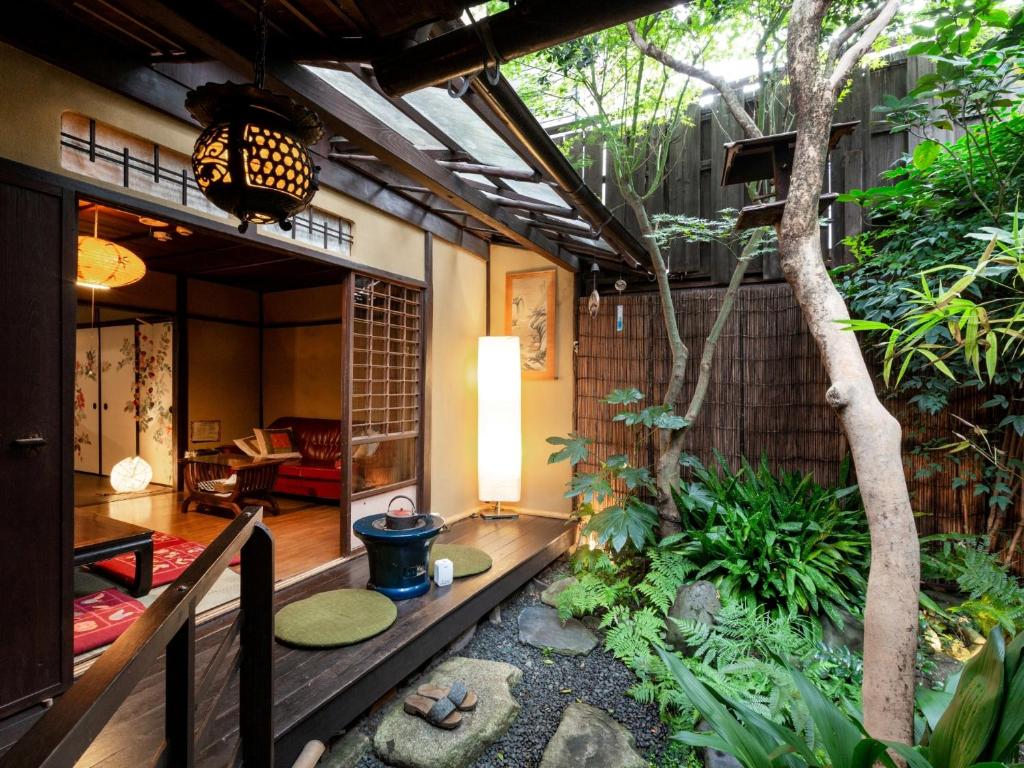
Small guesthouse in a converted machiya townhouse in the Higashiyama district, popular with solo travelers.
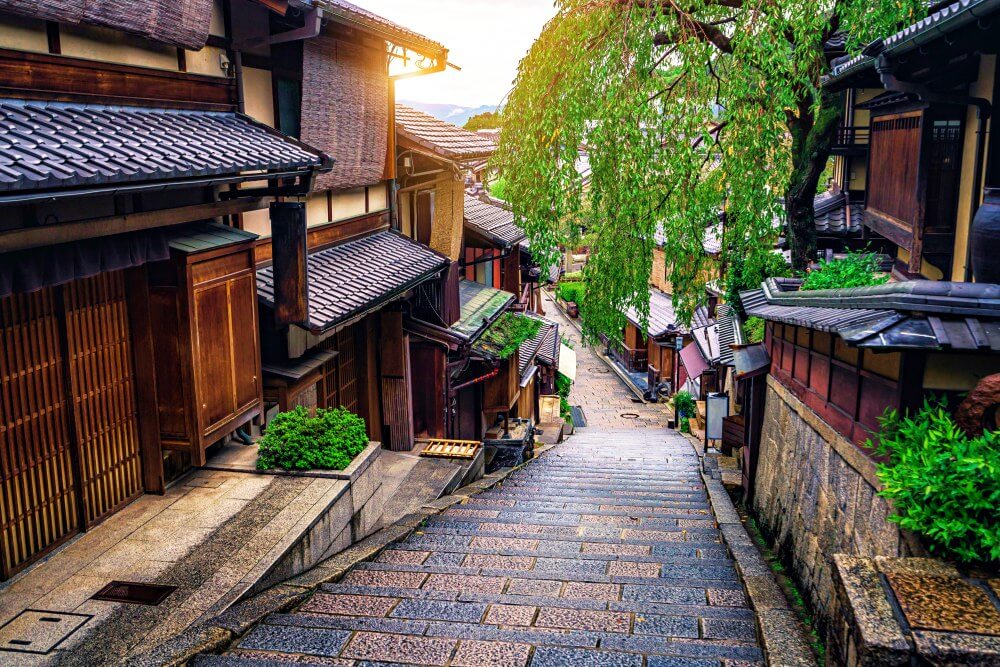
Several mid-range ryokan cluster on the stone-paved lanes approaching Kiyomizudera, putting gion corner and the temple circuit within easy walking distance.
Gion corner runs two evening performances daily at 18:00 and 19:00, with doors open from 18:00 through last entry at 20:50, every day of the week including weekends.
Standard adult seats are ¥5,500, premium seats with digital tablet commentary are ¥6,600, the seat with Japanese tea and sweets is ¥6,050, visitors aged 16–22 pay ¥3,850, ages 7–15 pay ¥3,300, and children aged 6 and under enter free (a paid seat at ¥3,300 is required if a separate seat is needed).
Yes — the approximately 50-minute show is well suited for children aged 7 and above, and the visual range of art forms including bunraku puppetry and maiko dance holds young audiences' attention throughout the performance.
Photography without flash is permitted for personal use; flash is strictly prohibited as it disrupts performers and may damage intricate costumes. Video recording for personal use is generally tolerated if done discreetly.
Take City Bus 206 from JR Kyoto Station to the Gion stop (about 20–25 minutes, ¥230), then walk 5 minutes; alternatively, the Keihan Line to Gion Shijo Station is a 5-minute walk, and the Hankyu Line to Kyoto-Kawaramachi Station is a 10-minute walk.
The approximately 50-minute gion corner program presents seven traditional art forms: Kyomai dance by maiko, chanoyu tea ceremony, ikebana flower arrangement, koto music, bugaku court dance, kyogen comedy, and either bunraku puppet theater or a noh play depending on the month.
The theater entrance is step-free and wheelchair spaces can be arranged by calling the box office at +81-75-561-1119 in advance; note that the surrounding Hanamikoji cobblestones may be challenging for some mobility aids.
There is no formal dress code; smart-casual attire is standard. Wearing a yukata or kimono is popular among visitors and adds to the atmosphere of an evening in the Gion district, though it is not required.
Groups of 20 or more qualify for a reduced adult rate of ¥4,700 per person; contact the box office or book through the official Gion Corner website for group reservations.
Tickets can be purchased at the box office window on the day of performance subject to availability; advance reservation through the official site at kyoto-gioncorner.com is strongly recommended for weekend and holiday dates.
Yasaka Shrine is a 3-minute walk, Maruyama Park 5 minutes, Kennin-ji Temple 7 minutes, and the scenic Shinbashi-dori canal street 3 minutes — a gion corner tour pairs naturally with an evening stroll through these Higashiyama landmarks.
The venue is closed on July 16, August 16, and from December 26 through January 4 each year; winter performances (December 1–March 11, Tuesday–Friday, excluding public holidays) run on a reduced schedule but add a maiko photo opportunity after the show.